
Factory Automation
Factory Automation & Industrial Operations — MAMAT for Manufacturing
Factory Automation & Industrial Systems — Managed, Maintained, and Compliant
From PLCs to production lines — manage your machines, maintenance, compliance, and audit readiness all in one platform.
As manufacturing becomes smarter, more automated, and more regulated — you need more than spreadsheets. You need a system that tracks assets, maintenance, calibration, change control, safety compliance, and audit-grade documentation. MAMAT is that system.
The Manufacturing Reality: Automation + Compliance + Maintenance = Complexity
Modern factories and industrial operations face a growing set of challenges:
- Complex machines, PLCs, sensors, robots, and control systems — each requires maintenance, calibration, and records.
- Regulatory standards, ISO certifications (e.g. ISO 9001, ISO 13485 if producing medical devices, ISO 45001 for safety, etc.), safety audits, environmental compliance, and internal quality controls.
- Large inventories of spare parts, consumables, tooling, and safety equipment — all needing tracking, history, and traceability.
- Risks related to system failures, calibration drifts, safety incidents, unplanned downtime, regulatory non-compliance, product defects.
- Rapid growth, frequent changes — new equipment, upgrades, configuration changes — increasing the chance of oversights, mis-configuration, and missing documentation.
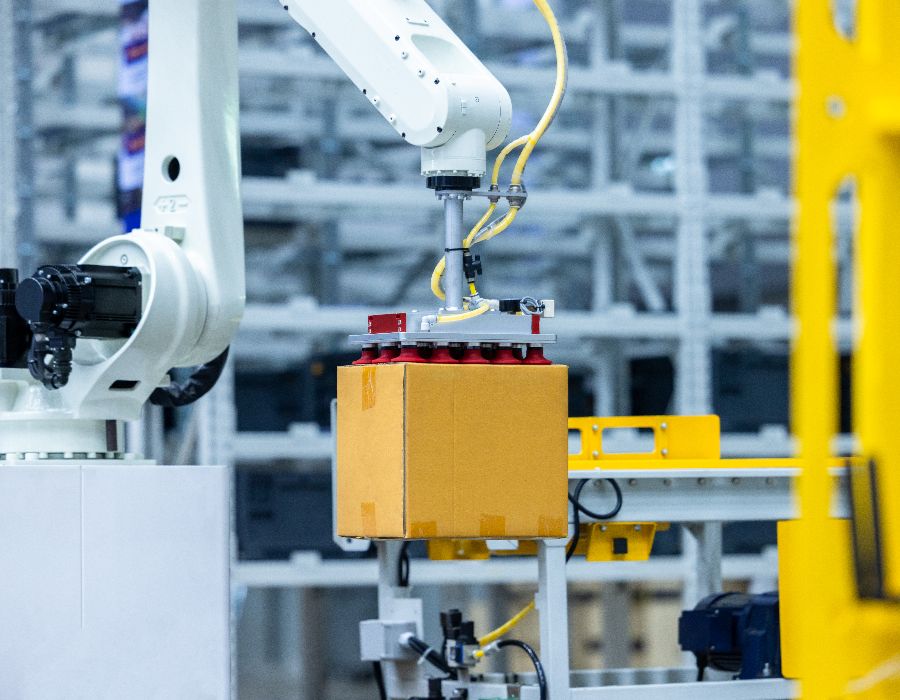
For small or mid-sized manufacturers, managing all this with spreadsheets, shared drives, or manual logs becomes unsustainable — and dangerous.
How MAMAT Supports Factory Automation & Industrial Operations
MAMAT delivers a unified, structured platform tailored for the demands of automated manufacturing and industrial operations:
Comprehensive Asset & Equipment Registry
Register every piece of equipment: machines, PLCs, robots, sensors, conveyors, tooling, calibration devices, safety gear, backup units.
Tag with metadata: serial numbers, installation dates, maintenance history, calibration schedule, location (line / cell / plant), owner, criticality.
Maintain a living, searchable inventory — no lost equipment, no unknown devices, no surprises.
Maintenance & Calibration Scheduling
Define task templates for periodic maintenance, calibration, safety checks, inspections, preventive maintenance — e.g. PLC firmware updates, robot arm calibration, safety interlock test, conveyor belt alignment.
Assign tasks to responsible technicians or teams.
Set due dates, reminders, statuses, and dependencies.
Upload evidence: photos, calibration reports, part replacements, inspection checklists, firmware versions — all version-controlled and traceable.
Change Control & Configuration Management
When you upgrade a machine, rewire a line, replace control modules, or refit a cell — log the change, who made it, when, and why.
Attach before/after documentation, test reports, validation evidence.
Link configuration changes to maintenance history, risk assessments, and audit logs.
Risk Management, Safety & Compliance Integration
Maintain a risk-register: hazard identification, risk scoring, control measures, mitigations, residual risk.
Link risk items to assets, tasks, maintenance logs, safety checks, and incident logs.
Manage safety inspections, compliance audits, nonconformance reports (NCR), and corrective/preventive actions (CAPA) — all attached to real assets.
Document & Record Control — Audit-Grade Evidence
- Store SOPs, work instructions, inspection forms, calibration certificates, QA reports, safety reports, change logs — all in one governed repository.
- Version control, approvals, archives, and retrieval — no more missing paper, lost PDFs, or orphaned spreadsheets.
- Generate reports anytime — for internal audits, customer audits, regulatory reviews, or due diligence.
Spare Parts & Inventory / BOM Management
- Track spare parts, consumables, tooling, and supplies linked to machines and production lines.
- Record usage history, replacements, purchase date, supplier info — helpful for maintenance, audits, traceability, and forecasting.
Data & Performance Insights
- Track maintenance events, downtime, repairs, failure patterns, part consumption, safety incidents.
- Use data to identify weak spots, optimize maintenance cycles, reduce unplanned downtime, and improve operational efficiency.
Multi-User, Multi-Team Collaboration
- Supports multiple users: production, maintenance, quality, safety, operations, management.
- Role-based permissions to limit who can view/edit what (e.g. production sees machines but not financial logs; QA sees compliance data; maintenance sees history).
- Shared, centralized source of truth — no more silos.
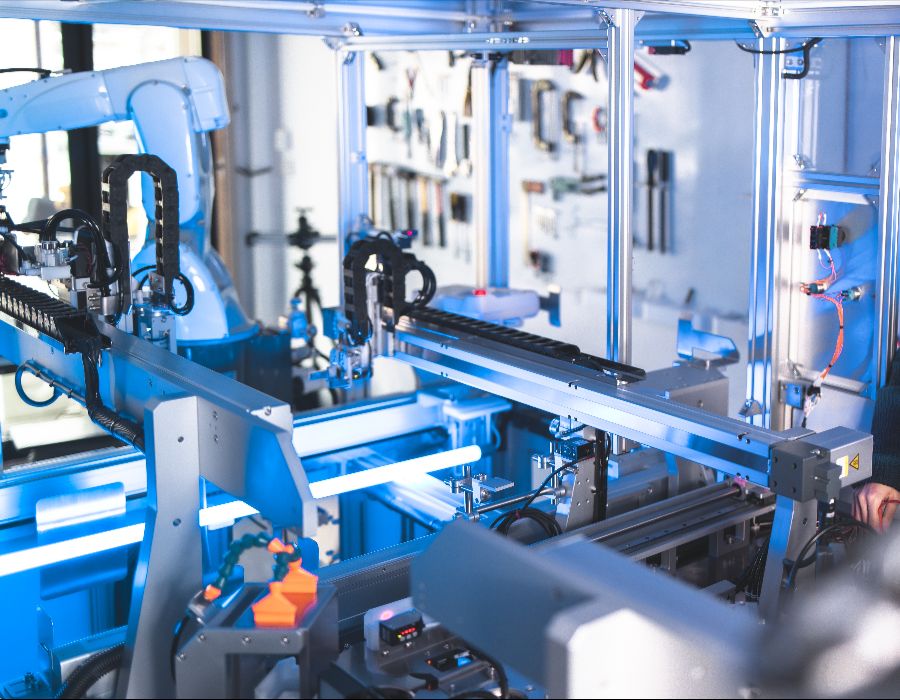
Factory Automation Package — What You Should Deploy With MAMAT
For medium or small manufacturing / automation operations, here’s a recommended “starter kit” using MAMAT:
| Module | What You Cover |
|---|---|
| Asset Registry | All machines, sensors, control units, safety gear, spare parts |
| Maintenance & Calibration Scheduler | Recurring tasks — preventive maintenance, safety checks, calibration, firmware updates |
| Change / Configuration Control | Log all upgrades, rewires, modifications, control-system changes |
| Safety & Risk Module | Hazard tracking, safety inspections, risk-register, mitigations |
| Document & Record System | SOPs, WIs, inspection forms, calibration certificates, QA reports, NCR/CAPA logs |
| Spare-Part / BOM / Inventory Management | Spare parts, consumables, supplies, stock tracking, consumption history |
| Reporting & Audit Support | Maintenance history, compliance reports, downtime logs, quality logs, audit-ready output |
With these, you transform from patchwork management to structured, compliant, efficient operations.
Who Benefits Most — Use Cases for MAMAT in Manufacturing
- Small-to-medium factories using automation, conveyors, robotics — need maintenance, calibration, safety, and compliance but lack large admin teams.
- Medical-device or regulated-product manufacturers — combining automated lines with strict quality, traceability, and regulatory requirements.
- Industrial producers of mix of legacy + modern equipment — older machines plus new automation, with parts, calibration, safety, and maintenance needs.
- Contract manufacturers and CMOs — need to manage multiple clients, batches, maintenance history, traceability, and change documentation.
Manufacturers scaling operations — expansion, new lines, regulatory scrutiny, and need for robust documentation and control.
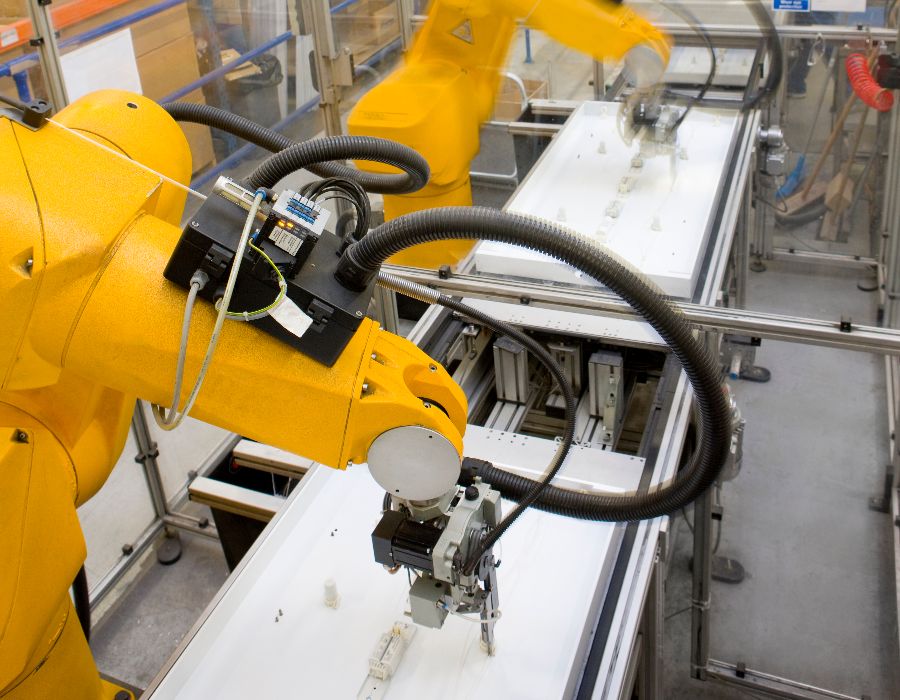
Why MAMAT — More Than a Spreadsheet, Less Than Over-Engineering
Using spreadsheets or ad-hoc logs might work for a while — but only until something fails: a safety incident, a failed audit, a faulty batch, a regulatory inspection, or a missing part.
MAMAT gives you:
structure and discipline
evidence and traceability
collaboration across teams
risk and maintenance management
growth-ready scalability
All without the overhead of complex enterprise software — perfect for small, agile, growing factories or automation-driven operations.
Final Word — Automated Plants Deserve Automated Management
In modern manufacturing, automation brings efficiency, speed, and competitiveness — but also complexity, compliance demands, and risk.
If you care about uptime, safety, compliance, quality, and scaling — do more than build machines.
Build a backbone.
Build with MAMAT.